Field Notes
Soil data from Kenyan fields, read and interpreted. No second-hand advice.
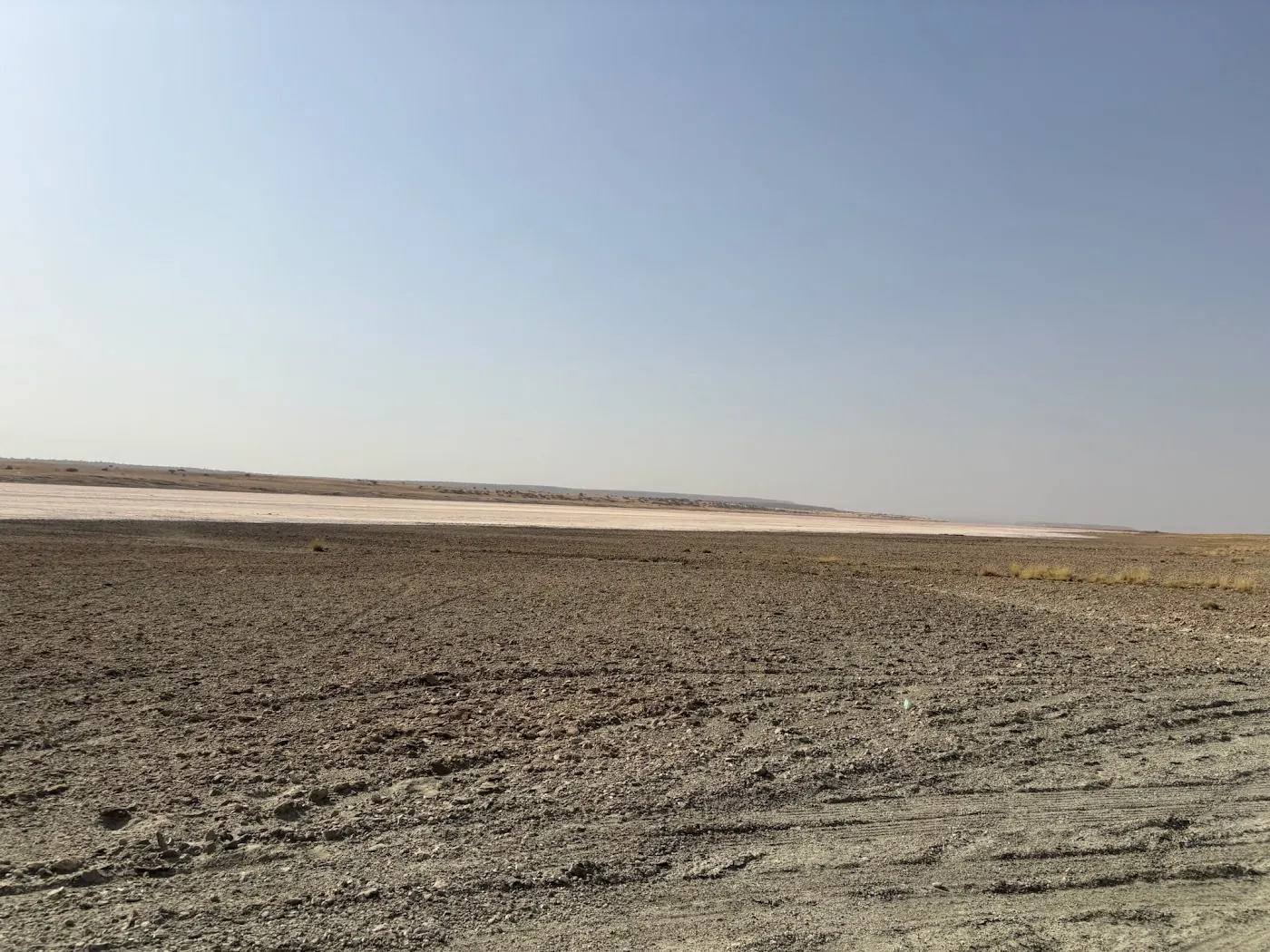
Should you replant maize now, or test the soil first?
After the Daily Nation reported drought-hit farmers hesitating to replant, a four-county study of 1,592 maize growers found fewer than 8 percent had ever had their soil tested, and only 7 percent knew where to go for one.
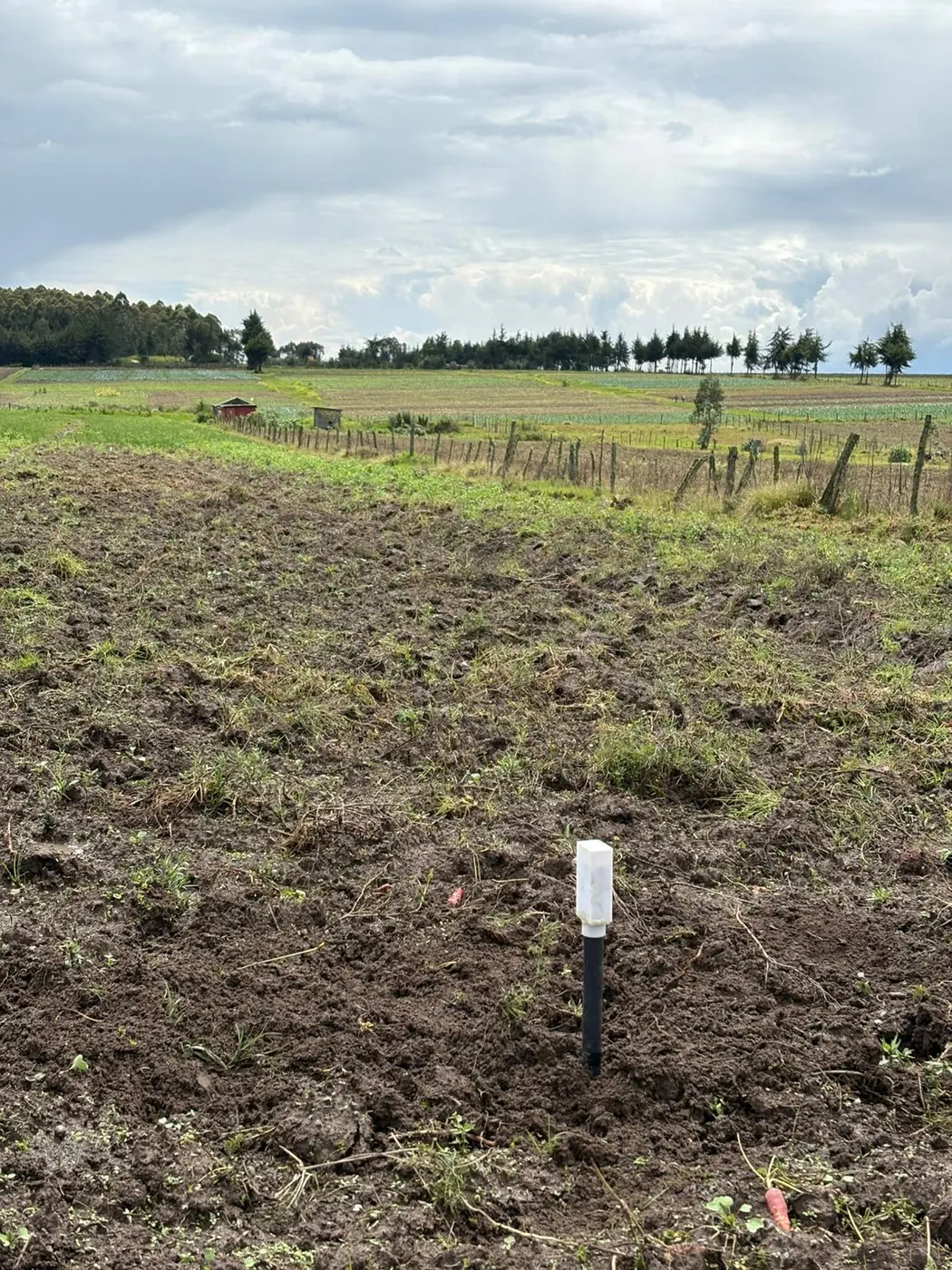
What to measure in the drain water of a soil greenhouse
Water that reaches the drain has already passed the roots, so the timing of the flow says more than the volume. A bed that never drains has no route to flush out salt.
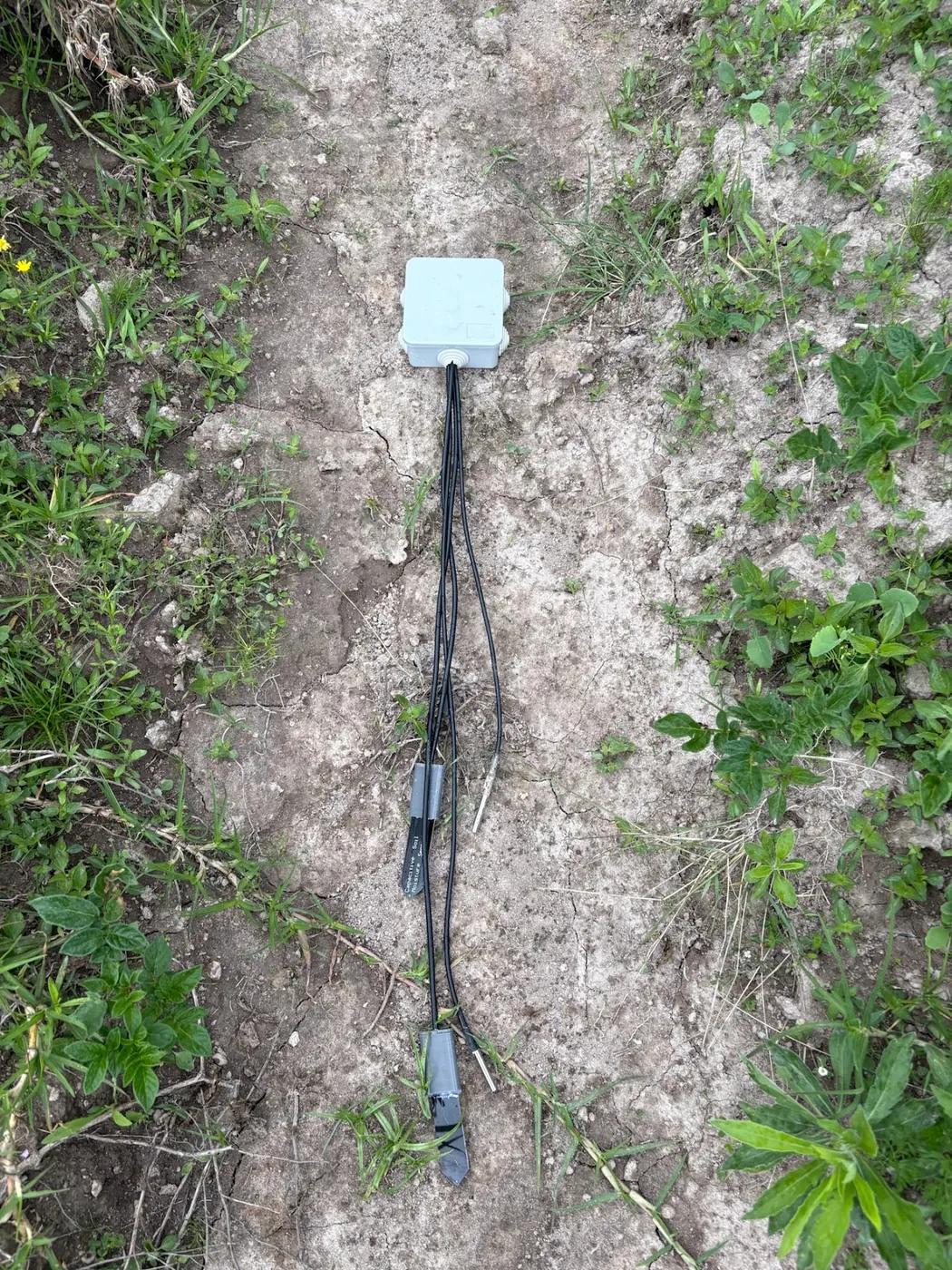
Which flooded block to drain first in the short rains
Maize is most exposed at the three-leaf stage, and past six days of waterlogging the yield loss turns pronounced at any stage. Across our stations, leaves stayed wet 24 percent of the hours while only 1.2 percent of readings showed rain.
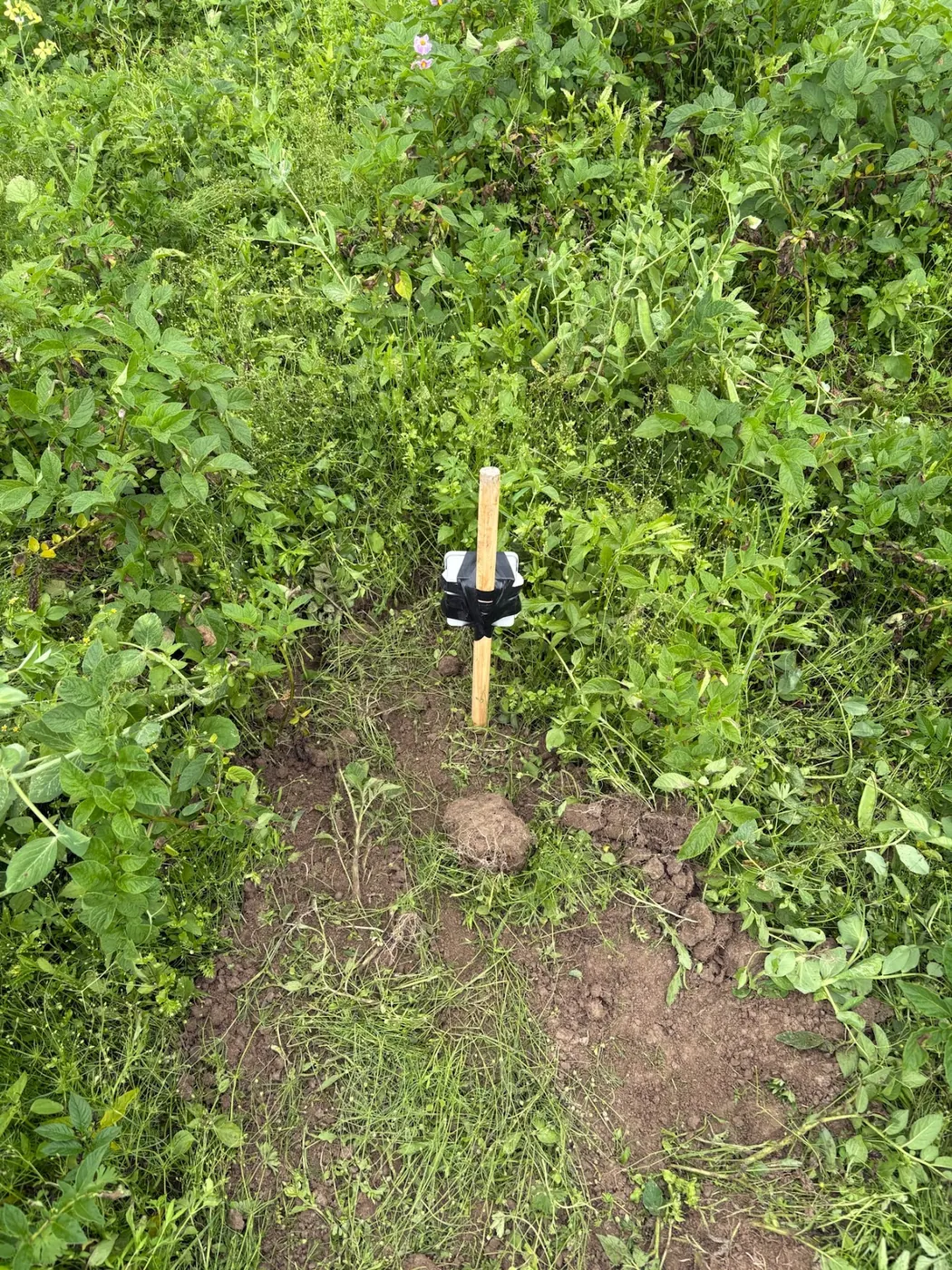
A drained furrow does not mean your roots have air again
Pale leaves three weeks after a wet spell may be a potassium uptake problem, not a fertiliser shortage. On onions, waterlogging and the twister disease complex work together from early in the wet week.
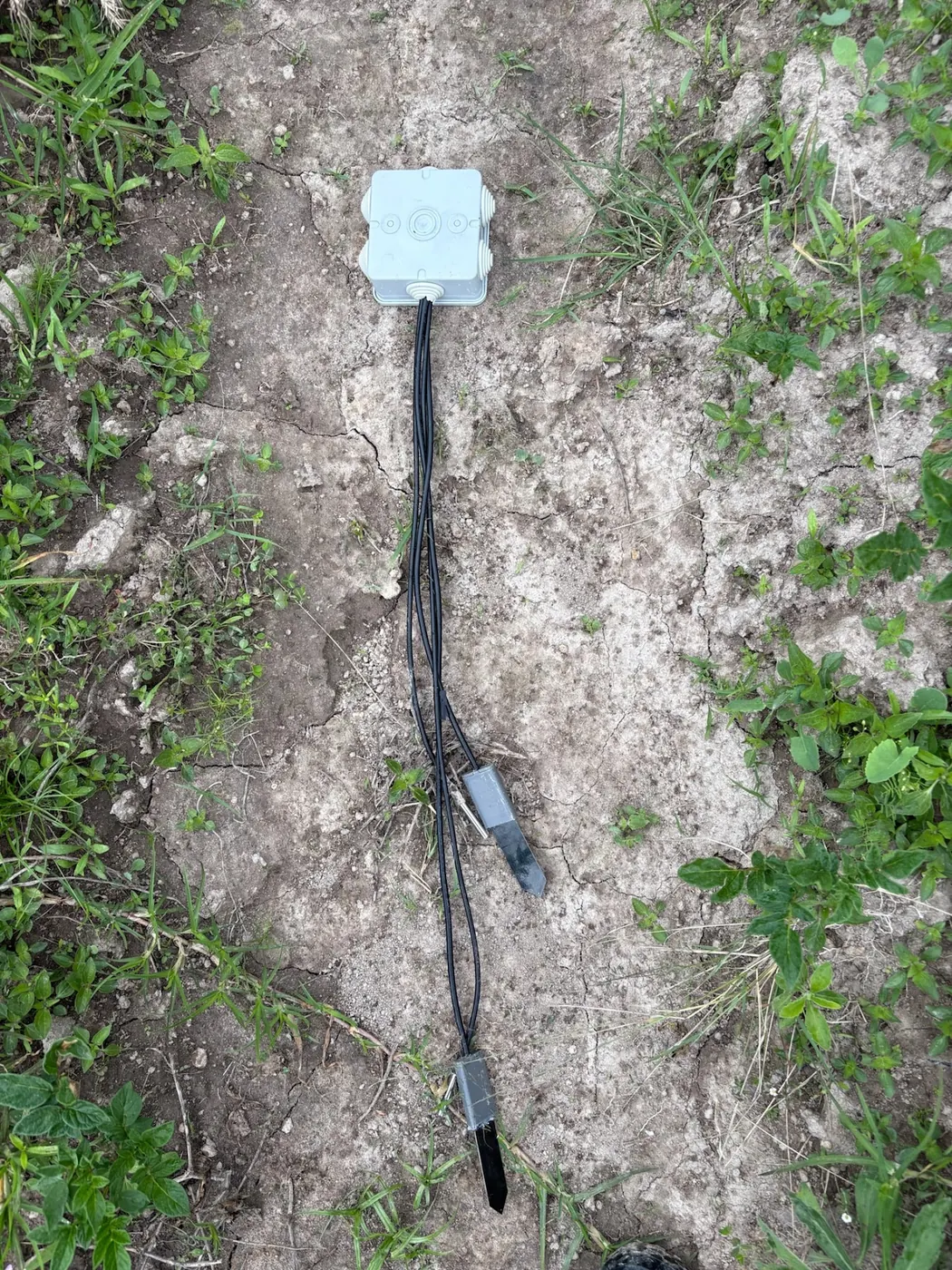
How to calibrate a soil moisture sensor on your own field
Factory curves were fitted on somebody else's soil. Here is the whole exercise step by step, the oven and bulk density numbers behind it, and the simpler relative tracking most farms should run instead.
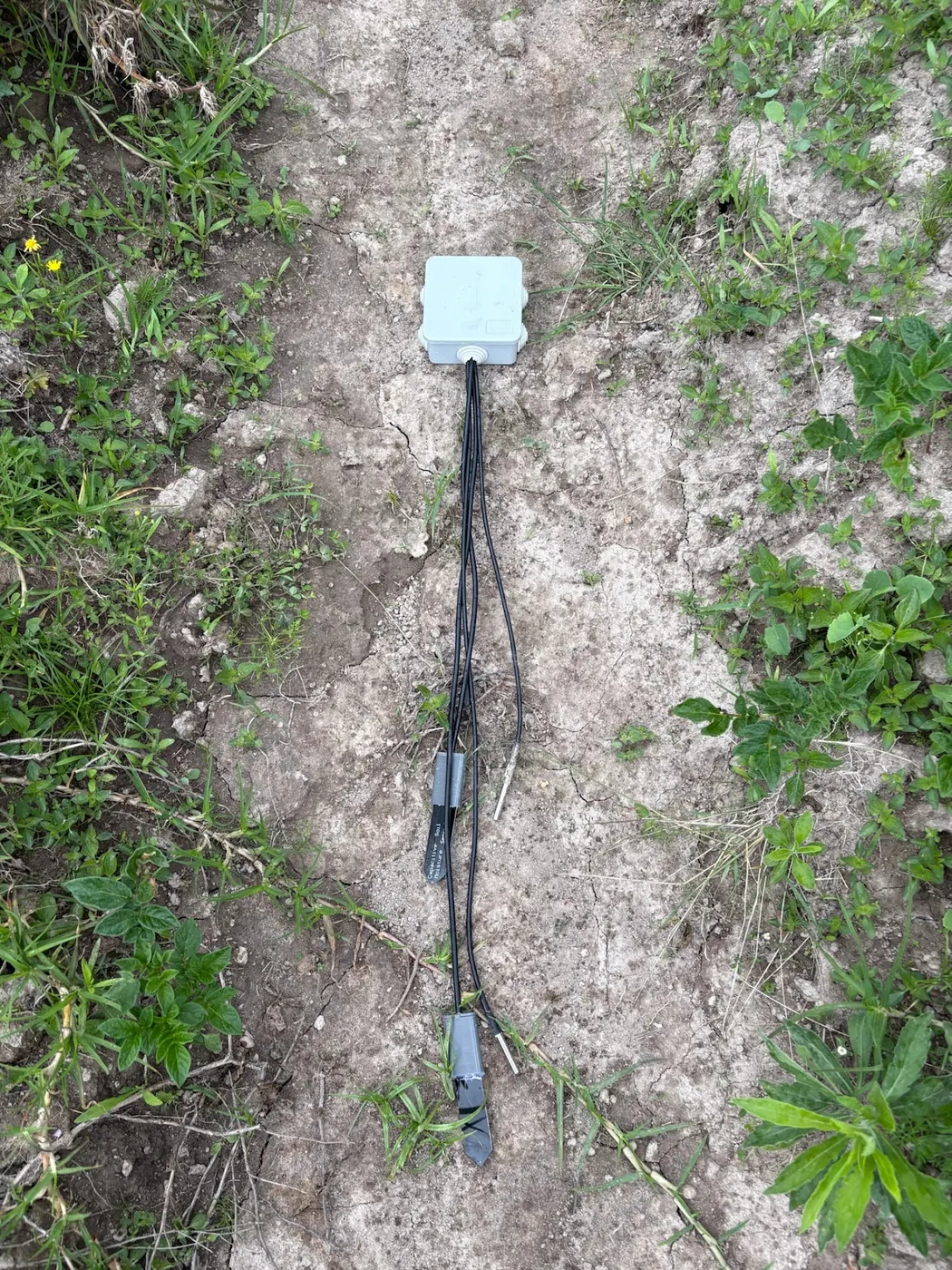
Waterlogging: how fast standing water starves roots of air
Trials put maize at risk from the three-leaf stage, wheat through tillering and flowering, and soybean worst at day 45 after emergence. The growth stage the rain catches often matters more than how long the water sits.
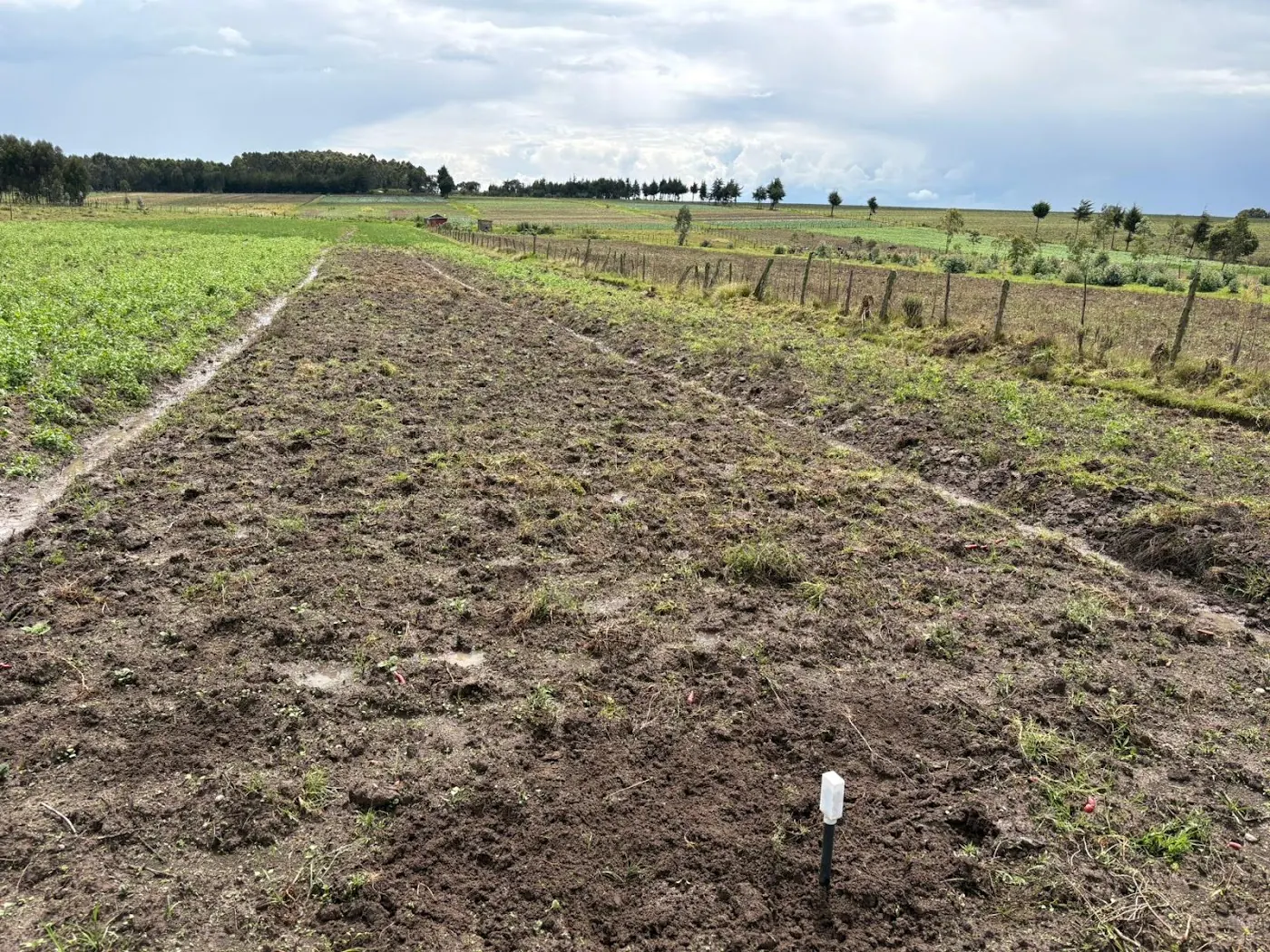
Soil EC under drip: why one reading misses the salinity
Salt arrives with every irrigation and stays behind when the water evaporates. Getting from a number on the meter to a decision on extra water takes several steps, and each one has its own way of going wrong.
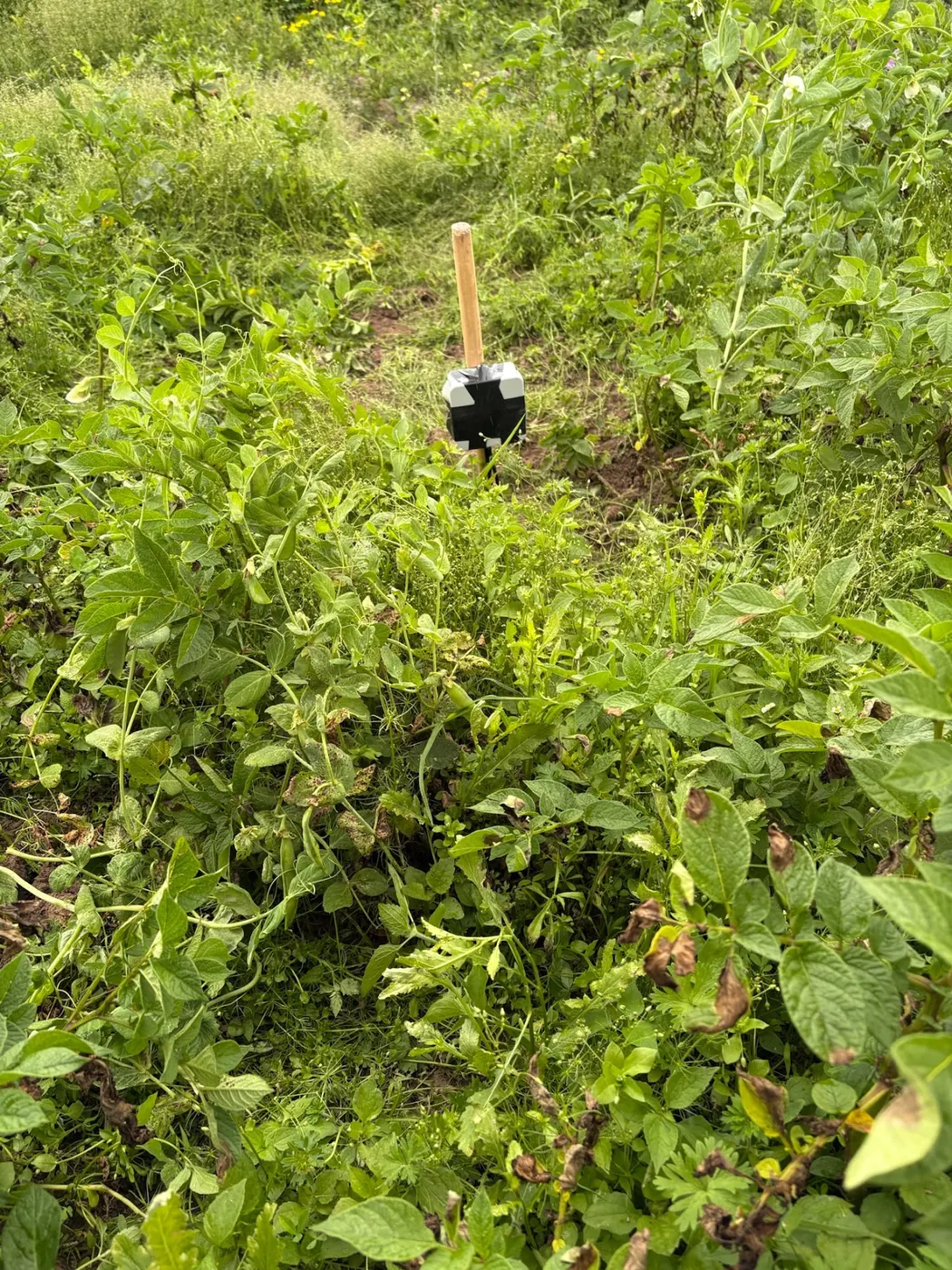
Short rains preparation: what happens in the soil before topdressing
Land prep starts months before topdressing, and the soil does most of the deciding in between. This walks through the physics, one governing number at a time, and ends with the ways it goes wrong.
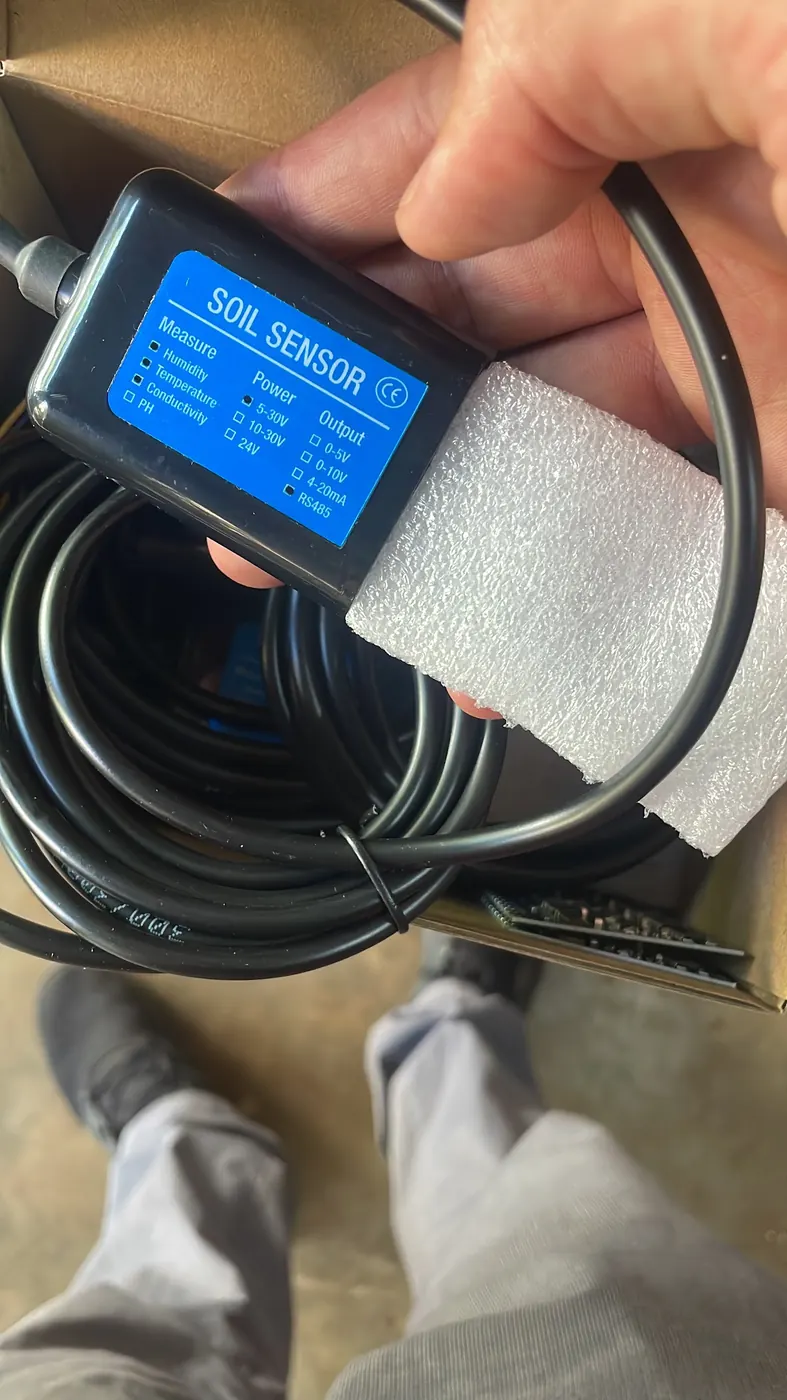
What an EC sensor really measures in your greenhouse
An EC sensor in a coir slab or nutrient tank is not a black box. It is a chain of five physical events, and each one has a number that governs whether the reading means anything at all.
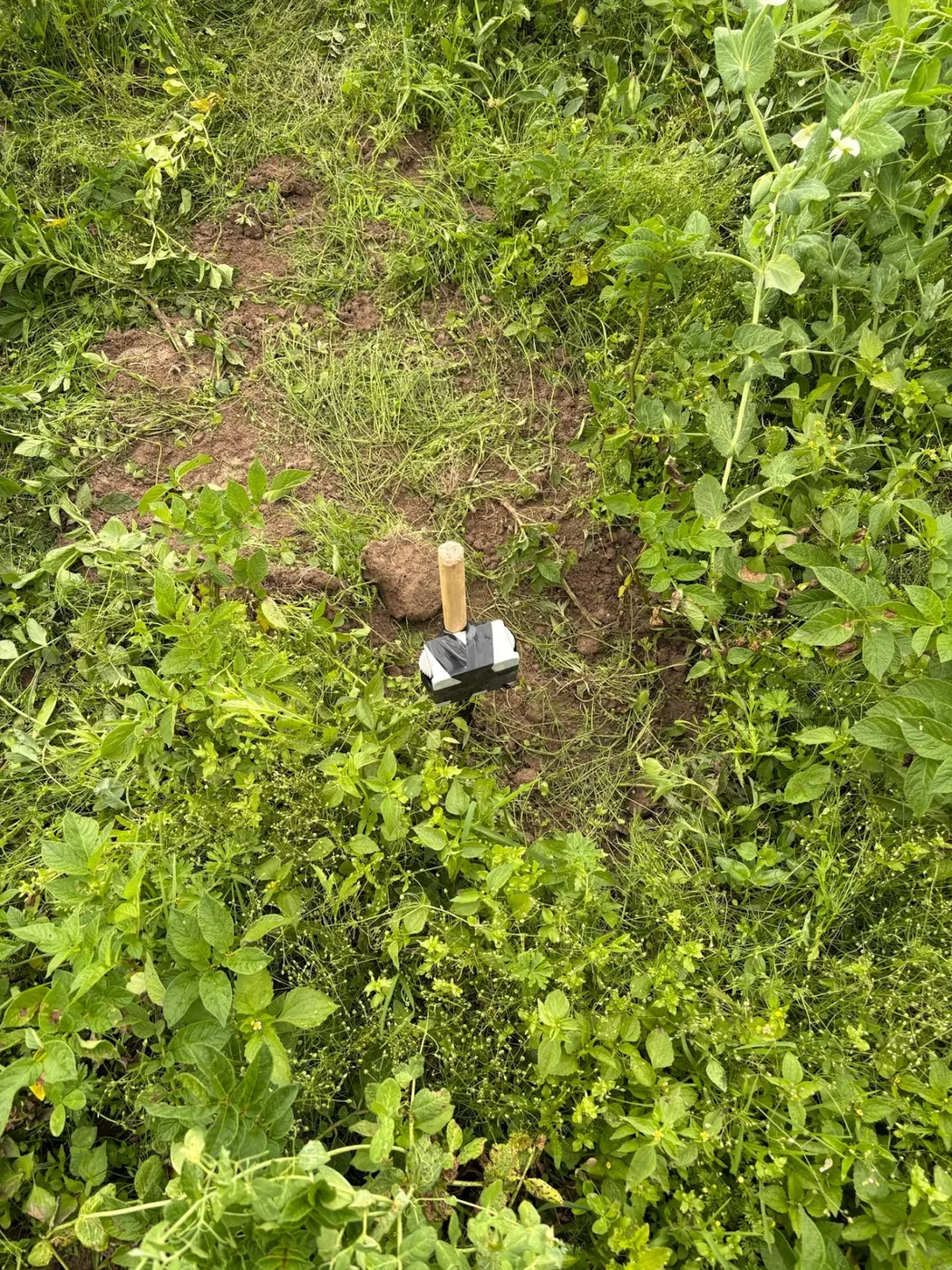
Why your irrigation run time is wrong without a measured soil infiltration rate
Most irrigation schedules are built on a textbook infiltration number that never touched the block. Here is what changes when you measure it yourself, and what it costs to do properly.
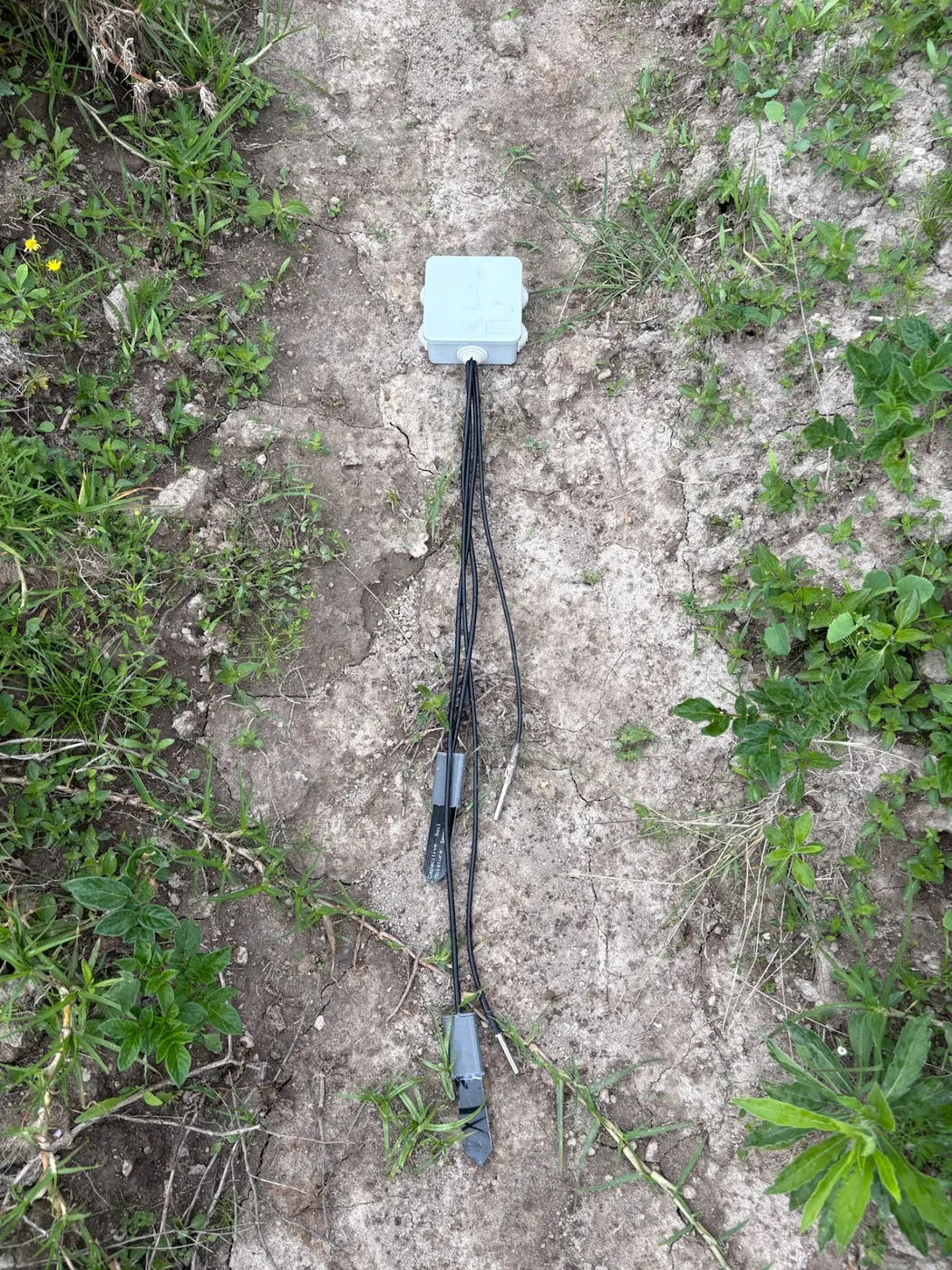
Soil temperature and germination: the rules were written for colder countries
Most planting-date advice online tells you to wait for a soil temperature threshold. That threshold comes from a climate where the ground is too cold in spring. Kenyan soil rarely has that problem, and a maize trial in the semi-arid east found what actually delayed emergence.
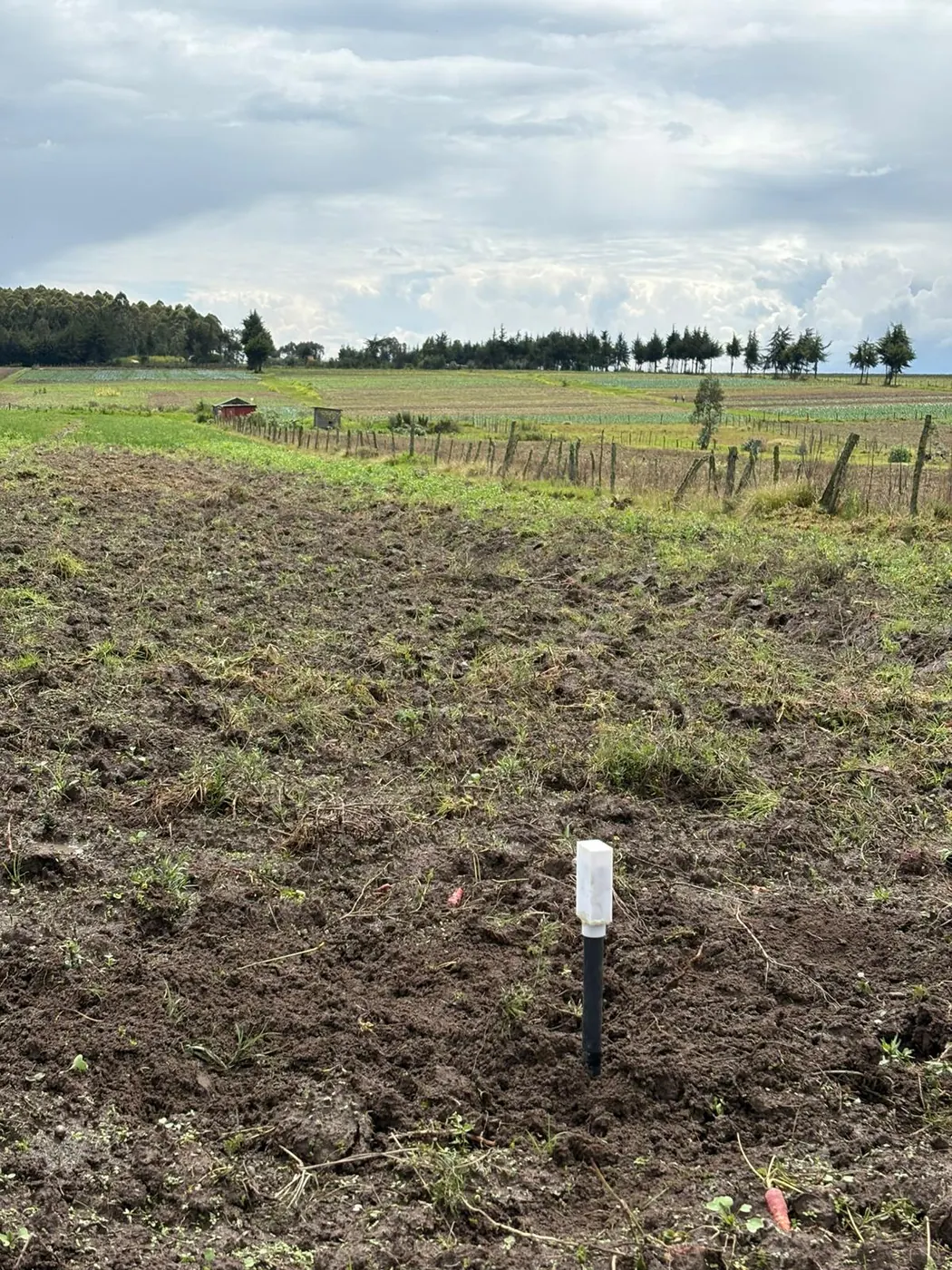
Soil moisture readings: the three numbers you need to read them
Two farms outside Naivasha can see the same figure on the same dashboard on the same morning. One should irrigate today. The other should wait four days. Neither of them is misreading the sensor.
How to turn evapotranspiration into an irrigation depth in mm
The standard formula is ETc = ET0 x Kc. The catch is the coefficient: published reviews put the initial-stage value as much as 200 percent away from what a local calibration gives, and nobody has run that check on your block. Here is how to close the gap yourself.