Field Notes
Soil data from Kenyan fields, read and interpreted. No second-hand advice.
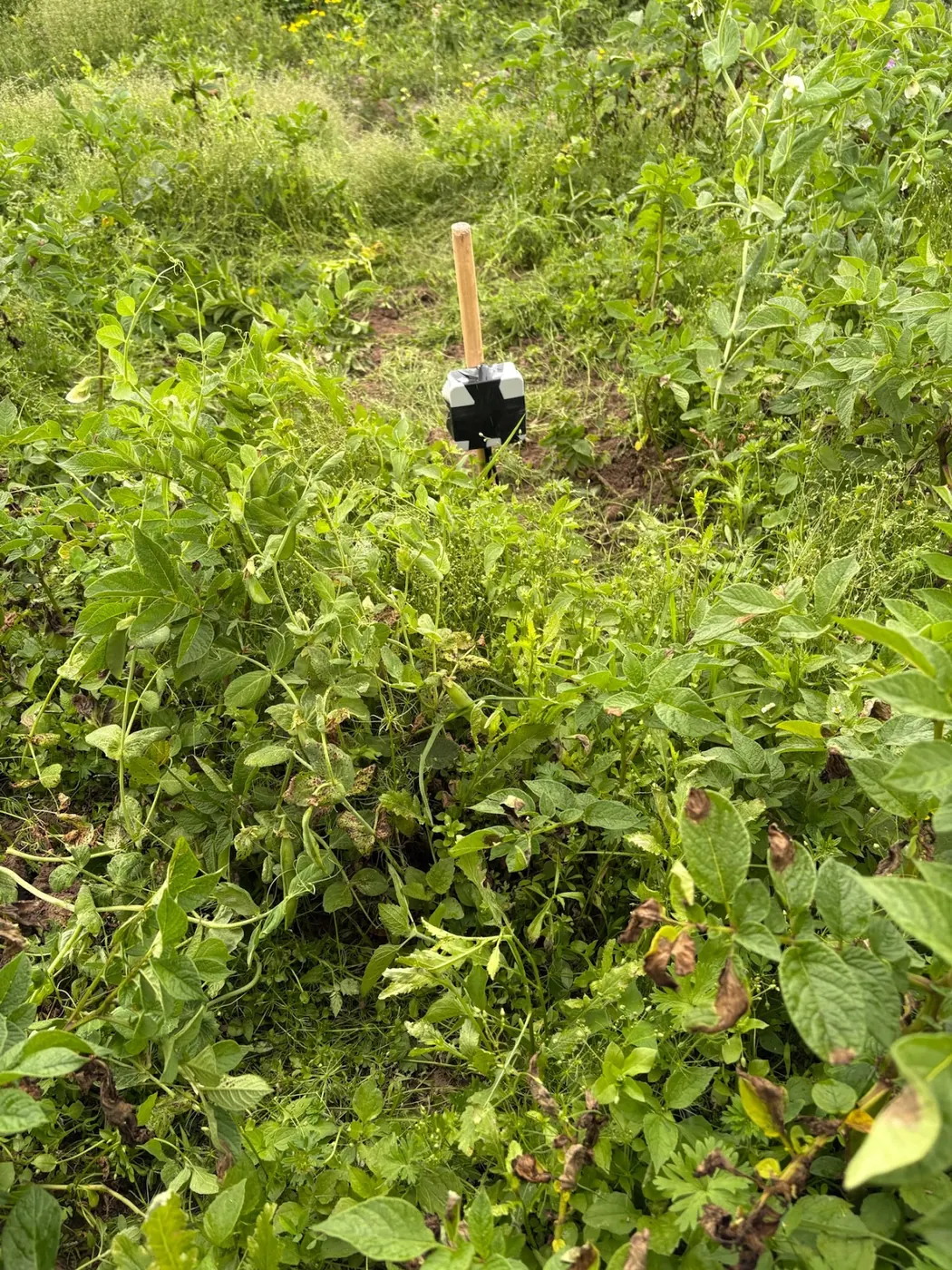
Short rains preparation: what happens in the soil before topdressing
Land prep starts months before topdressing, and the soil does most of the deciding in between. This walks through the physics, one governing number at a time, and ends with the ways it goes wrong.
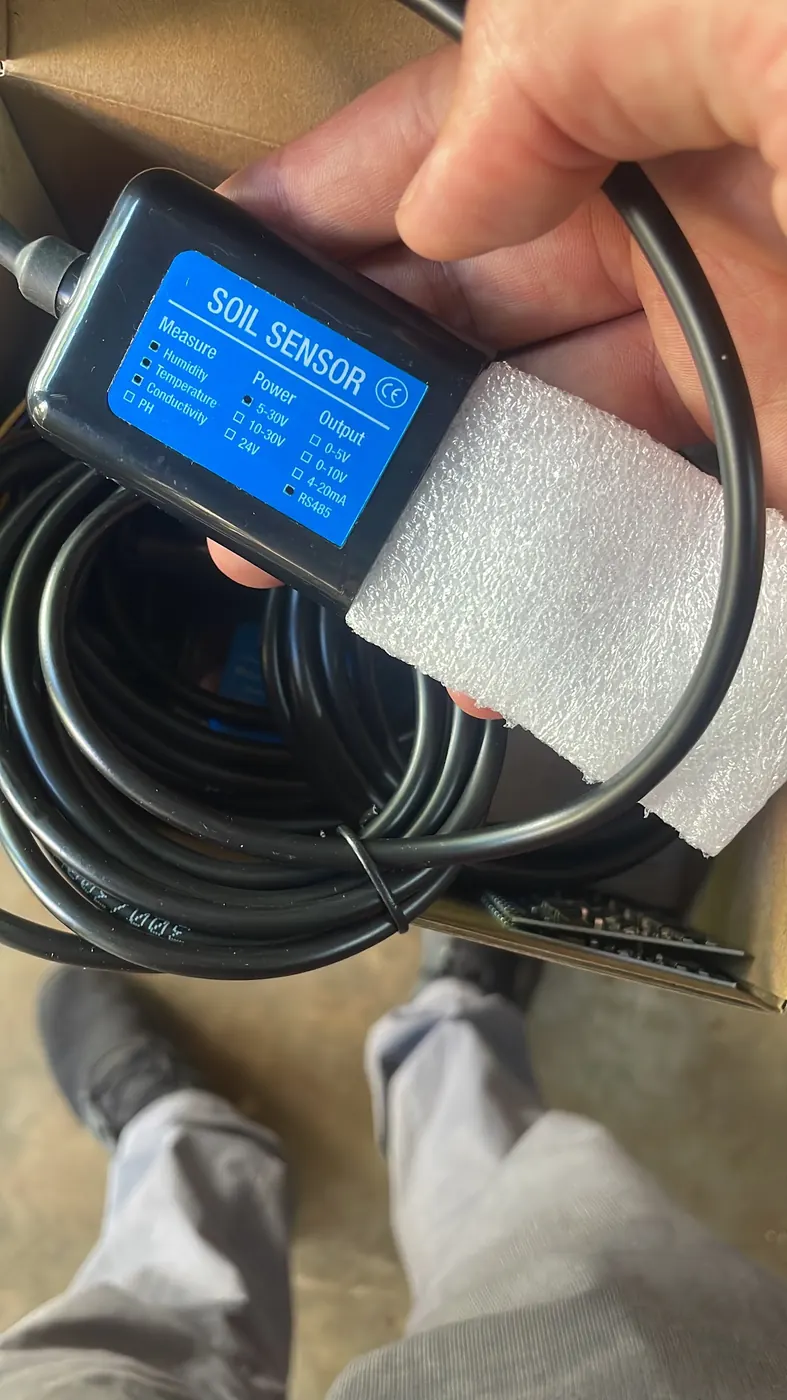
What an EC sensor really measures in your greenhouse
An EC sensor in a coir slab or nutrient tank is not a black box. It is a chain of five physical events, and each one has a number that governs whether the reading means anything at all.
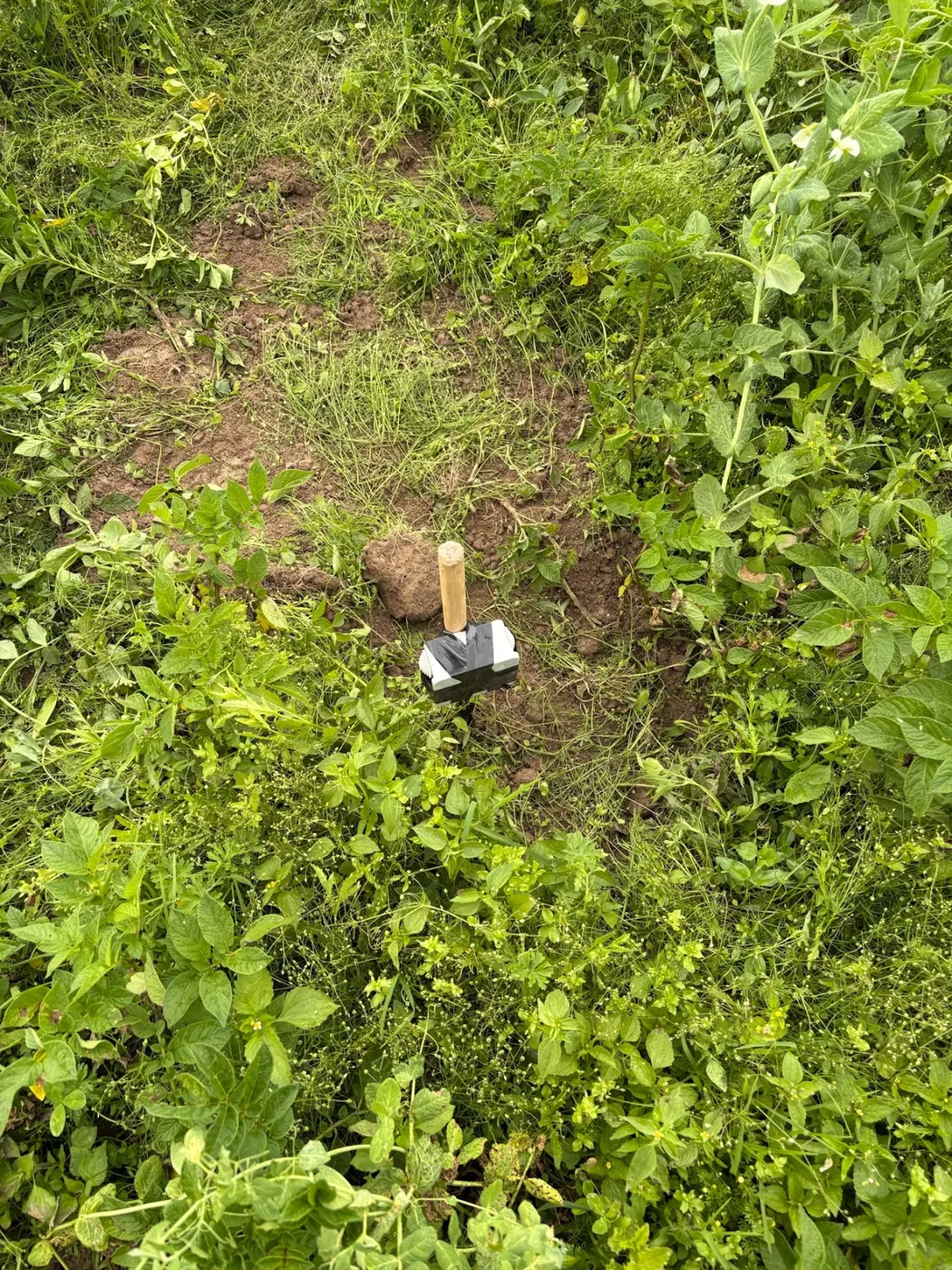
Why your irrigation run time is wrong without a measured soil infiltration rate
Most irrigation schedules are built on a textbook infiltration number that never touched the block. Here is what changes when you measure it yourself, and what it costs to do properly.
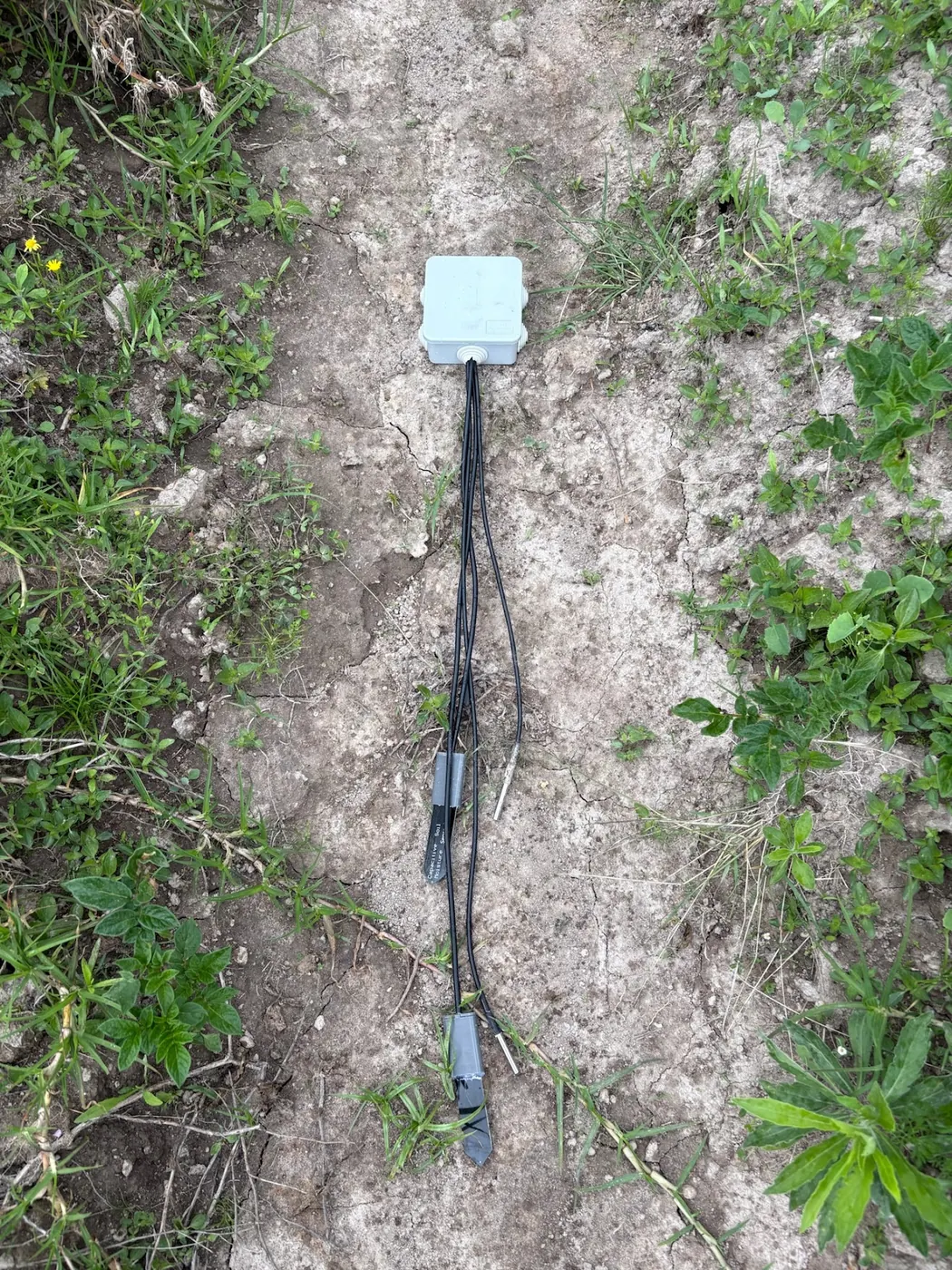
Soil temperature and germination: the rules were written for colder countries
Most planting-date advice online tells you to wait for a soil temperature threshold. That threshold comes from a climate where the ground is too cold in spring. Kenyan soil rarely has that problem, and a maize trial in the semi-arid east found what actually delayed emergence.
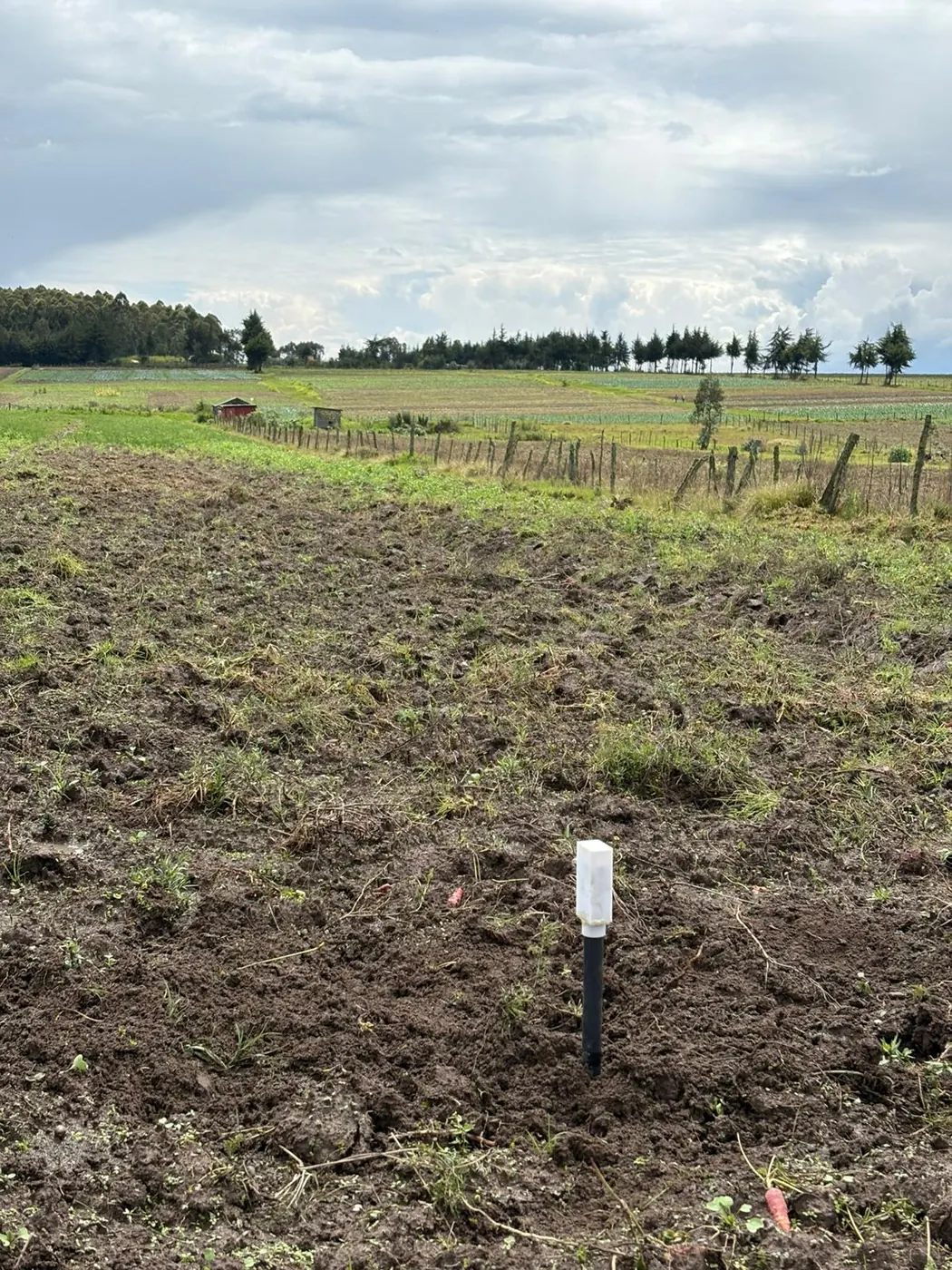
Soil moisture readings: the three numbers you need to read them
Two farms outside Naivasha can see the same figure on the same dashboard on the same morning. One should irrigate today. The other should wait four days. Neither of them is misreading the sensor.
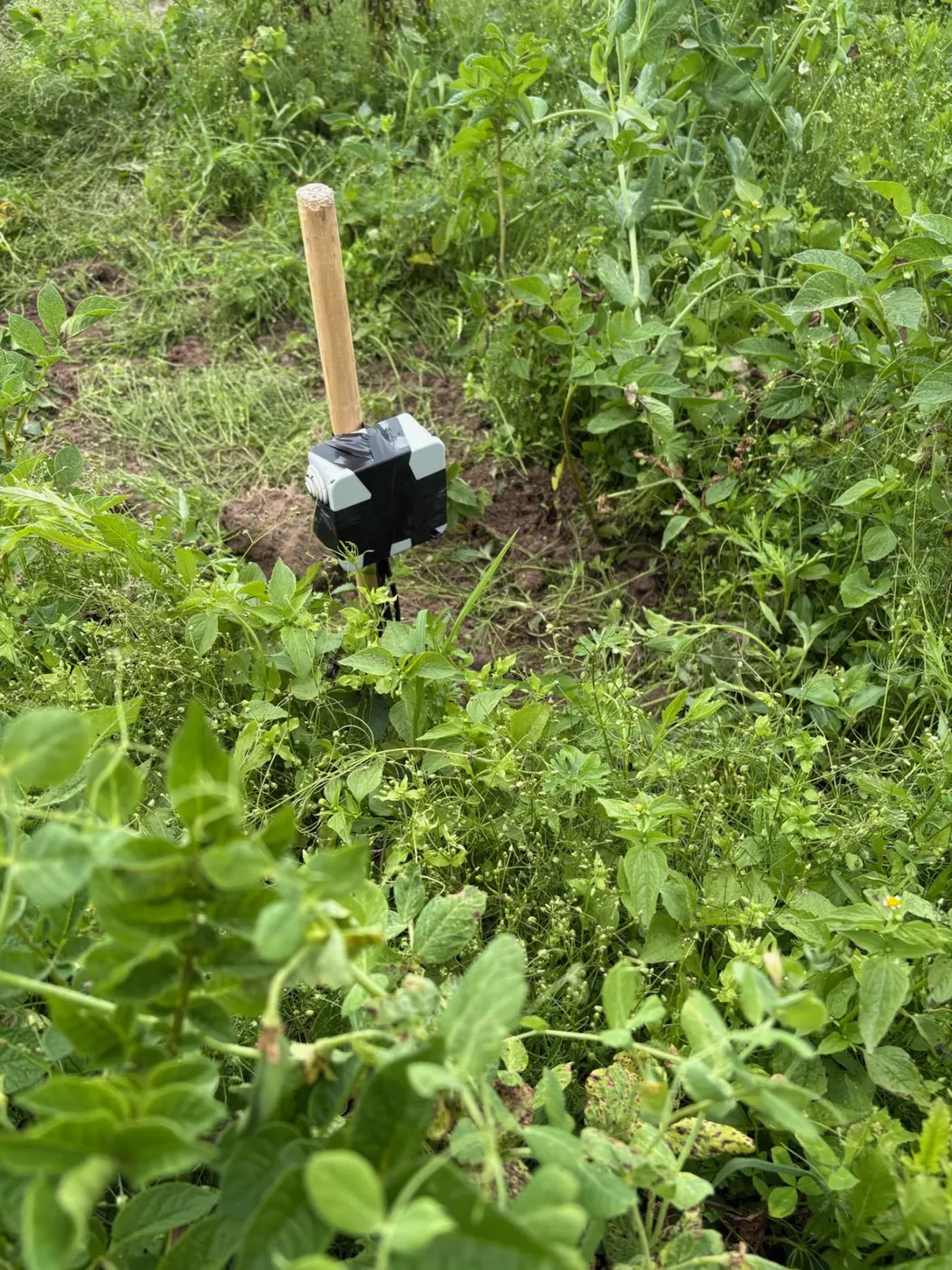
How to turn evapotranspiration into an irrigation depth in mm
The standard formula is ETc = ET0 x Kc. The catch is the coefficient: published reviews put the initial-stage value as much as 200 percent away from what a local calibration gives, and nobody has run that check on your block. Here is how to close the gap yourself.